These days, discussion of whether the British monarchy is obsolete or harmful isn’t exactly surprising. In fact, the purpose of the monarchy has been a common question for decades—TIME addressed that matter in a cover story in 1992, the year Queen Elizabeth II dubbed an “annus horribilis”—and was even so when the Queen, who died Thursday, Sep. 8 at age 96, came to the throne after her father’s death in 1952.
(The Queen had been scaling back her public duties in the last few years due to declining health, though she met with new Prime Minister Liz Truss, her 15th U.K. leader, just two days before her death.)
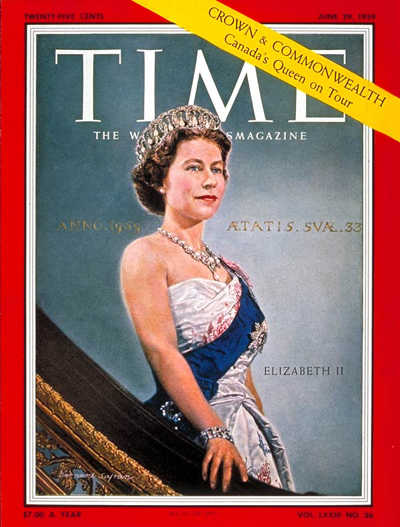
Buy a print of the Queen Elizabeth II 1959 cover here
But, as TIME noted then, Queen Elizabeth II answered the question easily. Celebrating her ascension, the magazine noted that respect for the crown bound the diverse Commonwealth nations together:
But, as TIME noted then, Queen Elizabeth II answered the question easily. Celebrating her ascension, the magazine noted that respect for the crown bound the diverse Commonwealth nations together:
Soon after, when she was named TIME’s Woman of the Year, that reasoning was expanded upon. That year, military men who divided the Earth along political and ideological boundaries dominated the world. Among them, Queen Elizabeth stood as the illustration of unity.
See Every TIME Cover Featuring Queen Elizabeth II


And not, TIME noted, because she was queen. Plenty of royals from plenty of nations had failed to bring their people together. Her throne was “long since shorn of its last vestige of political power.” Her power was not the work of tradition alone. Her significance depended not simply upon her job, but also on who she was, ”a fresh young blossom on roots that had weathered many a season of wintry doubt”:
And not, TIME noted, because she was queen. Plenty of royals from plenty of nations had failed to bring their people together. Her throne was “long since shorn of its last vestige of political power.” Her power was not the work of tradition alone. Her significance depended not simply upon her job, but also on who she was, ”a fresh young blossom on roots that had weathered many a season of wintry doubt”:
Throughout her reign, she continued to combine personal charisma and professional distance to make sure that the monarchy remained, if nothing else, something that had reason to exist. For example, amid “signs of creeping apathy toward the crown,” per TIME, she undertook an attempt to seem more accessible. But, even though that accessibility never truly translated to informality, it worked.
In 2007, TIME included her on its annual list of the most influential people in the world, for being reason enough to dismiss any chatter about the monarchy coming to an end.
Which should have been no surprise. After all, when she had been only a girl, as Princess Lilibet, she began the years of grooming that would make her a woman worthy of the throne—and aware of what that duty would require.
“You are not a fairy-tale princess,” TIME reported in 1944 her mother reminding her, “but a real one.”
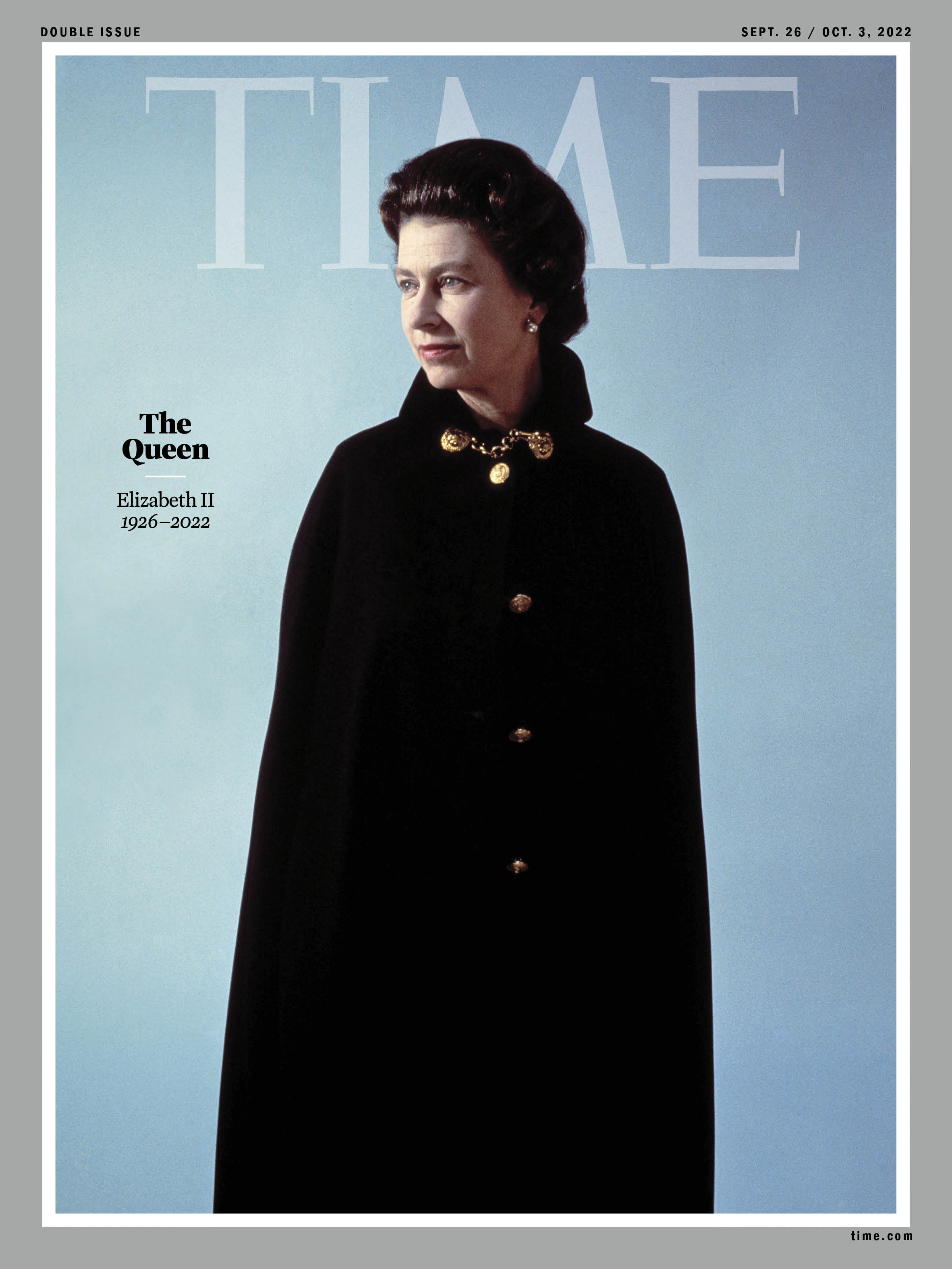
Buy a print of the Queen Elizabeth II commemorative cover here
- Cybersecurity Experts Are Sounding the Alarm on DOGE
- Meet the 2025 Women of the Year
- The Harsh Truth About Disability Inclusion
- Why Do More Young Adults Have Cancer?
- Colman Domingo Leads With Radical Love
- How to Get Better at Doing Things Alone
- Michelle Zauner Stares Down the Darkness